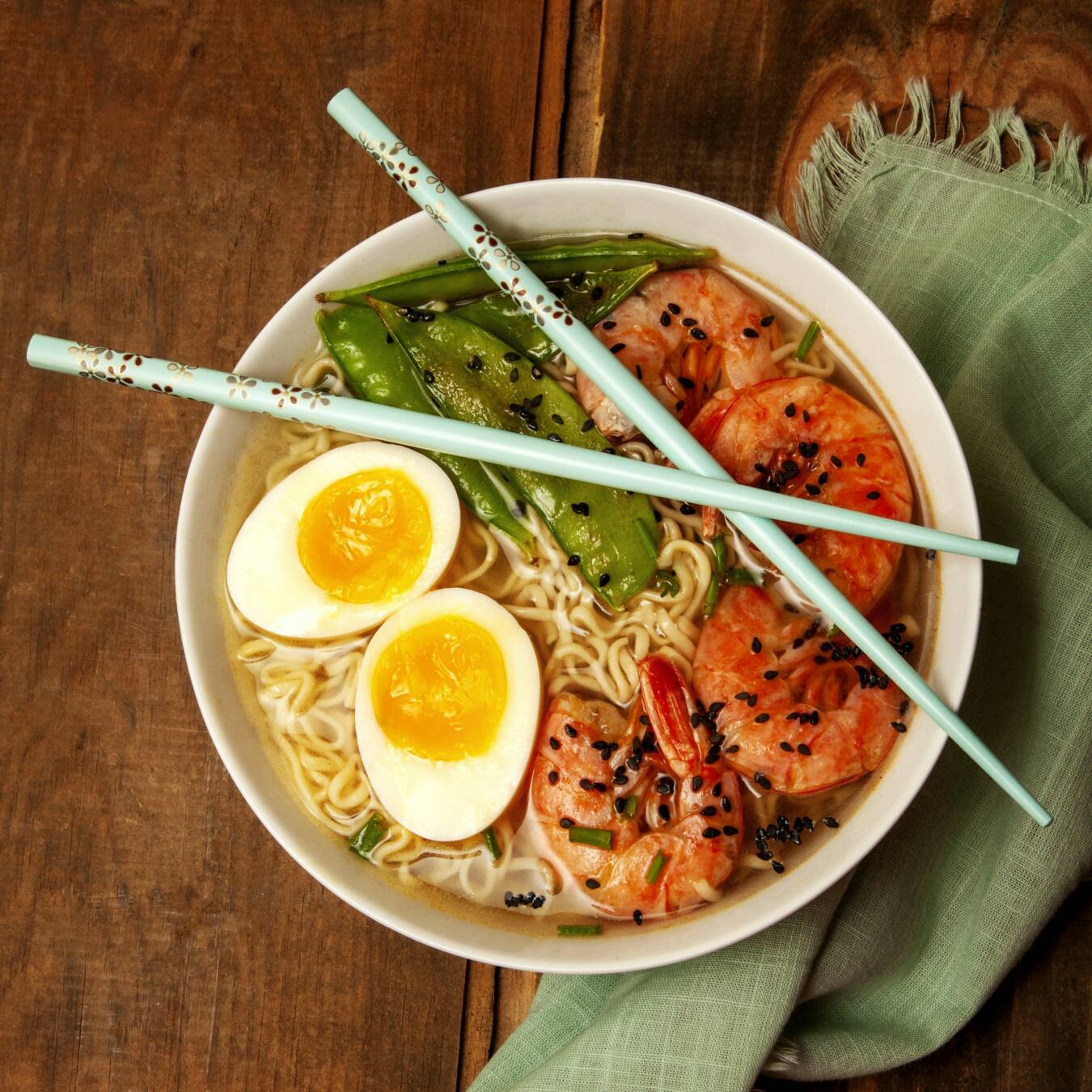
ramen is Japanese, with springy wheat noodles in a rich, deep broth. Pho is Vietnamese, with soft rice noodles in a clear, light, spiced broth and fresh herbs. Laksa is Malaysian and Singaporean, usually a creamy, spicy coconut curry broth. Rich, light or bold: pick by your mood.
There is a particular kind of day that only a bowl of noodle soup can fix.
It is usually raining. Work has been heavy. Nobody wants to cook, and nobody quite knows what they want to eat.
Then someone says, “Soup?” and the whole table relaxes.
The trouble starts with the menu. Ramen. Pho. Laksa. They all come in a big bowl with noodles and broth, and they all sound comforting. But order the wrong one for your mood and you will spend the meal wishing you had chosen differently.
We have had all three on grey afternoons, late nights and lazy weekends. Here is how they differ, and how to choose.
01Ramen: Rich, Deep and Deeply Comforting
Where it comes from: Japan, although its roots trace back to Chinese wheat noodles.
The noodles: wheat noodles made with an alkaline mineral water called kansui, which gives them their springy bite and pale yellow colour.
The broth: this is where ramen gets its personality. Broths are simmered for hours, sometimes a whole day, from pork or chicken bones, and then seasoned with a concentrated sauce called tare. The four styles you will see most often:
- Shoyu: soy-based, clear brown, savoury and balanced. A great first ramen.
- Shio: salt-based, the lightest and clearest.
- Miso: fermented soybean paste, nutty and hearty.
- Tonkotsu: pork bones boiled until the broth turns milky white, creamy and very rich.
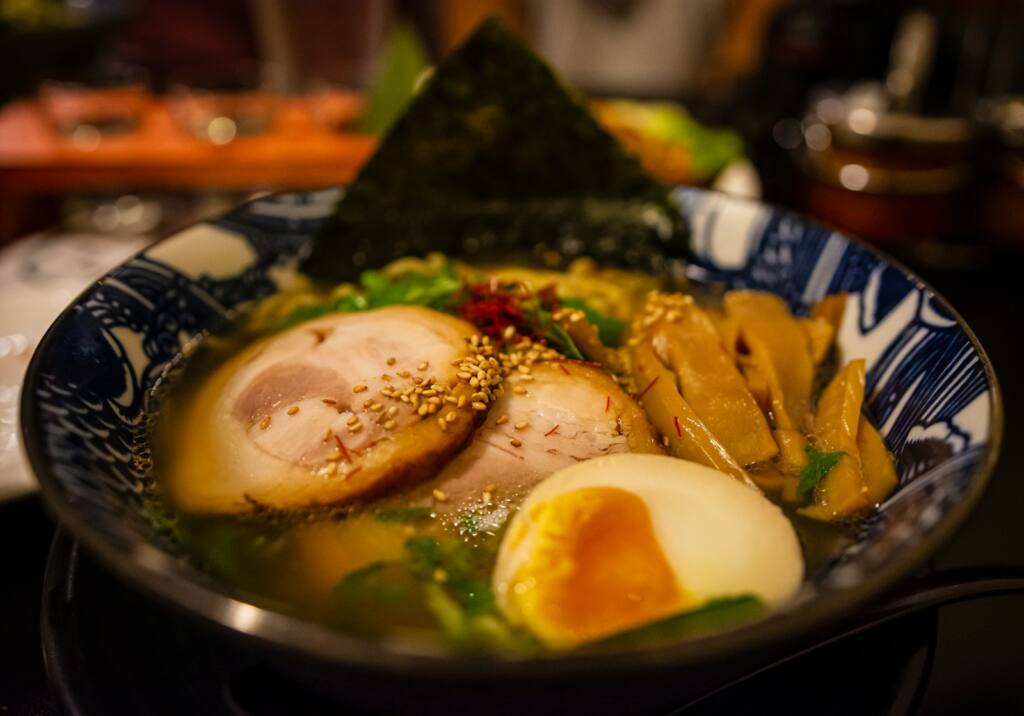
The toppings: slices of braised pork (chashu), a soft marinated egg with a jammy yolk, spring onions, bamboo shoots, nori, and sometimes a crisp piece of fried chicken in katsu-style bowls.
How it feels: like a warm blanket. Ramen is filling, savoury and slow. The kind of bowl where you finish every last spoon of broth even when more food is on its way.
02Pho: Light, Fragrant and Fresh
Where it comes from: northern Vietnam, early in the twentieth century.
The noodles: soft, flat rice noodles called banh pho. Naturally gluten-free and silky rather than chewy.
The broth: clear and golden, made from beef bones (pho bo) or chicken (pho ga). Charred onion and ginger give it depth, and whole spices such as star anise, cinnamon, cloves and cardamom give it that gentle, perfumed warmth.
The toppings: thin slices of beef or chicken, and then the part that makes pho special: a plate of fresh herbs, bean sprouts, lime wedges and sliced chilli that you add yourself at the table. Thai basil, coriander and mint brighten every spoonful.
How it feels: clean and restoring. Pho is the bowl you want when you are tired but don’t want to feel heavy afterwards. It is also wonderfully personal. No two people at the table finish with the same bowl.
03Laksa: Creamy, Spicy and Bold
Where it comes from: the Peranakan kitchens of Malaysia and Singapore, where Chinese and Malay cooking meet.
The noodles: often a mix of thick rice noodles and yellow egg noodles.
The broth: there are two very different families of laksa, and it helps to know which one you are ordering.
- Curry laksa is the one most restaurants serve. A spice paste of chilli, lemongrass, galangal, shallots and shrimp paste is cooked down and loosened with coconut milk. The result is creamy, spicy and fragrant all at once.
- Assam laksa from Penang is sour rather than creamy, made with tamarind and flaked fish. Tangy, sharp and refreshing.
The toppings: prawns, chicken, fish cakes, tofu puffs that soak up the broth like sponges, bean sprouts, boiled egg and often a spoon of sambal on the side.
How it feels: exciting. Laksa wakes you up. If ramen is a blanket and pho is a deep breath, laksa is a conversation that makes you laugh out loud.
04Ramen vs Pho vs Laksa at a Glance
- Richest: tonkotsu ramen, followed closely by curry laksa.
- Lightest: pho, or shio ramen.
- Spiciest: curry laksa.
- Most customisable: pho, thanks to the herb plate.
- Chewiest noodles: ramen.
- Best for gluten-free diners: pho, as rice noodles contain no wheat. Always confirm with the restaurant, as sauces can contain gluten.
- Best for vegetarians: many restaurants now offer vegetable ramen and vegetarian laksa with a coconut base. Pho is harder to find without meat broth.
05Which Bowl Should You Order Today?
- It is raining and you need comfort: ramen. Shoyu if you are new to it, tonkotsu if you want indulgence.
- You are tired but want to feel light: pho.
- You want something exciting: curry laksa.
- It is hot outside: pho or assam laksa. The freshness and sourness help.
- You are eating with a little one: a mild shoyu ramen or chicken pho. Ask for the bowl to be split. Children love the slippery noodles, and most restaurants are happy to give you a small bowl to share.
06How to Eat a Noodle Soup Properly
Use chopsticks in one hand and the deep soup spoon in the other. Lift some noodles, rest them on the spoon with a little broth, and eat them together.
Slurping is not rude here. In Japan, it is completely normal with ramen and it cools the noodles on the way in.
And always taste the broth first, before adding anything. It tells you everything about the kitchen.
The best noodle soup we have ever had was not chosen from a list of facts. It was chosen on a gloomy Monday, by someone who could see the day needed fixing.
That is the real secret of these three bowls. They are not just dishes. They are moods.
So next time the menu offers all three, don’t ask which is better. Ask how you are feeling. The answer will tell you exactly what to order.
Three hearts. One table. Countless stories.
Frequently asked
What is the difference between ramen and pho?
Ramen is Japanese, made with springy wheat noodles in a rich, often cloudy broth with toppings like chashu pork, egg and nori. Pho is Vietnamese, made with soft flat rice noodles in a clear, light, spiced beef or chicken broth, finished with fresh herbs, lime and chilli at the table.
What does laksa taste like?
Curry laksa tastes creamy, spicy and fragrant. The broth is built on coconut milk and a spice paste of chilli, lemongrass, galangal and shrimp paste. Assam laksa is a different, sour and tangy version made with tamarind and fish.
Which noodle soup is the lightest?
Pho is usually the lightest of the three, with a clear broth and plenty of fresh herbs. Ramen and coconut-based curry laksa are richer and more filling.
Which noodle soup is best for someone who does not like spice?
Pho and shoyu or shio ramen are the mildest choices. Curry laksa is almost always spicy, although the coconut milk softens the heat.
Is it rude to slurp noodles?
In Japan, slurping ramen is perfectly normal and shows you are enjoying it. It also cools the hot noodles. In most restaurants elsewhere, gentle slurping is accepted with noodle soups.