Umami is the fifth basic taste, alongside sweet, sour, salty and bitter. It is the savoury, deep, mouth-filling taste of a slow-cooked broth, ripe tomatoes, aged cheese, mushrooms and soy sauce. When a dish tastes “complete” and you cannot explain why, umami is usually the reason.
Have you ever tasted a dish and thought, “This is so good… but I don’t know why”?
It isn’t too salty. It isn’t sweet. It isn’t spicy. It just tastes full. Rounded. Satisfying in a way that makes you go back for one more spoon, even when you are no longer hungry.
We used to call it “that restaurant taste.” The flavour our home-cooked version never quite reached.
It turns out it has a name. And once you know it, you will start noticing it everywhere.
01What Is Umami?
For centuries, we spoke about four basic tastes: sweet, sour, salty and bitter.
Then, in 1908, a Japanese chemist named Kikunae Ikeda wondered why his wife’s dashi, a simple broth made from kombu seaweed, tasted so deeply satisfying. He discovered that the taste came from glutamate, an amino acid, and called it umami, roughly “pleasant savoury taste.”
It took the scientific world almost a century to fully agree. In the early 2000s, researchers identified the specific taste receptors on our tongue that respond to glutamate. Umami officially became the fifth taste.
02What Does Umami Taste Like?
Umami is harder to describe than sweet or salty, because it rarely stands alone. The easiest way to understand it:
- It tastes savoury and deep, like a good broth.
- It feels round and full across your whole tongue.
- It lingers after you swallow.
- It makes your mouth water slightly.
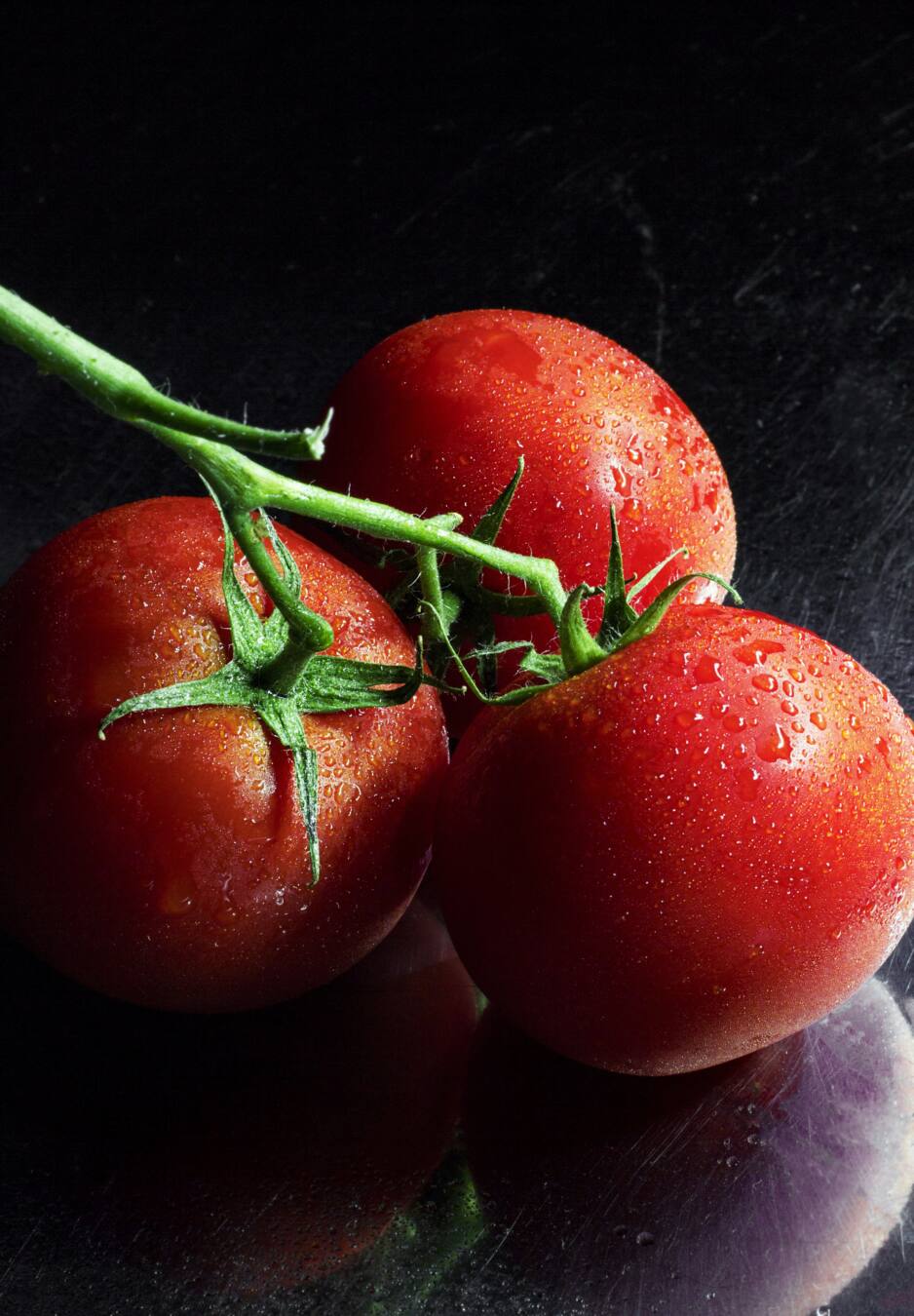
Try this: taste a slice of raw, pale tomato, then a slice of a deep red, fully ripe one. The difference you notice, beyond sweetness, is largely umami. Ripening increases the glutamate.
03The Foods Richest in Umami
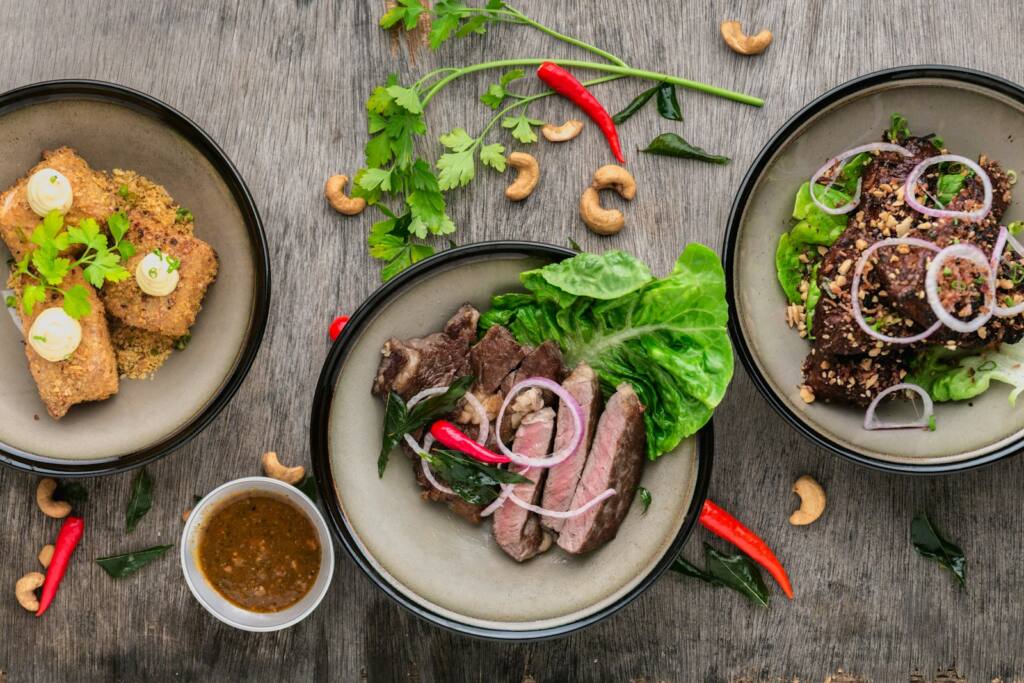
Umami comes from glutamate and from two helpers called inosinate (found mostly in meat and fish) and guanylate (found mostly in mushrooms). Foods that are aged, fermented, dried or slow-cooked tend to have the most.
From around the world
- Parmesan cheese: one of the richest natural sources of glutamate.
- Ripe tomatoes and tomato paste
- Mushrooms, especially dried shiitake
- Soy sauce, miso and fish sauce
- Kombu seaweed and nori
- Anchovies and dried fish
- Slow-simmered meat and bone broths
- Green tea, especially Japanese matcha
Closer to home
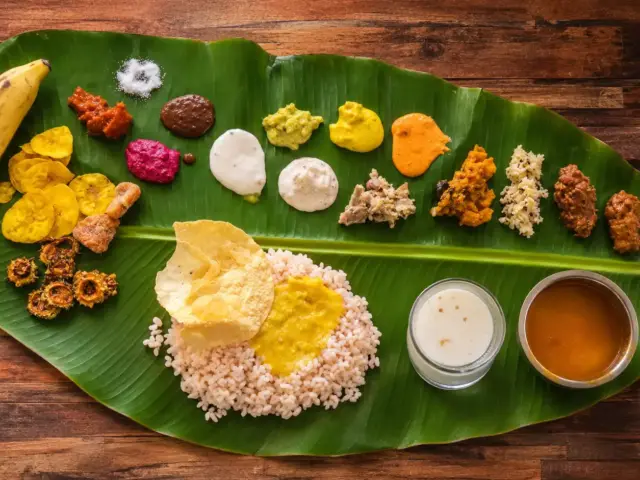
Indian cooking is full of umami. We just never called it that.
- Onions and tomatoes cooked slowly until the oil separates in a masala
- Fermented batters for idli and dosa
- Long-simmered dal, especially with ghee and tadka
- Dried fish in coastal cooking, from Kerala to Konkan
- Mushroom and paneer dishes cooked with tomato gravy
That is why a masala that has been cooked patiently tastes so different from one that was rushed. Time is building umami.
04Why Umami Makes Food Taste “Better”
Our bodies are wired to enjoy umami because it signals protein, something we need to survive. Breast milk is naturally rich in glutamate, which means umami is one of the very first tastes we ever experience.
In cooking, umami does three magical things:
- It adds depth. A dish feels layered rather than flat.
- It balances. Umami softens bitterness and rounds out sharp acidity.
- It reduces the need for salt. Dishes rich in umami taste satisfying with less salt, which is why chefs use it in lighter cooking.
05The Umami Synergy Secret
Here is something chefs know that most of us don’t.
When glutamate meets inosinate or guanylate, the umami taste becomes far stronger than either would be alone. Scientists call it synergy.
This is why so many classic pairings work:
- Japanese dashi combines kombu (glutamate) with bonito flakes (inosinate).
- Italian cooking pairs tomatoes and parmesan with meat.
- Chinese stocks combine chicken bones with dried mushrooms.
- A burger pairs beef with cheese and tomato.
Across every cuisine, cooks discovered the same trick long before anyone could explain it.
06What About MSG?
Monosodium glutamate, or MSG, is simply purified glutamate, the same compound found naturally in tomatoes and cheese. Ikeda himself developed it after his discovery.
MSG has had a bad reputation for decades, but major food-safety authorities consider it safe for most people in normal amounts. Some people do report sensitivity, and like salt, it is best used with a light hand. Whether you choose to use it is a personal decision. What matters is understanding that umami itself is not artificial. It is in your grandmother’s dal.
07How to Add Umami at Home
- Cook onions and tomatoes slowly, until they darken and sweeten.
- Add a spoon of tomato paste to gravies and soups.
- Grate a little parmesan over pasta, soups or roasted vegetables.
- Add soaked dried mushrooms and their soaking water to stews.
- Use a few drops of soy sauce in stir-fries and even in some gravies.
- Let soups, dals and stocks simmer longer than you think you need to.
We started paying attention to umami after one simple question at the dinner table: “Why does the broth at a good restaurant taste so different from ours?”
The answer was not a secret ingredient. It was patience, and an understanding of how flavours build on each other.
Now, whenever a dish leaves all three of us quietly reaching for one more spoon, we look at each other and smile.
Umami. Again.
Three hearts. One table. Countless stories.
Frequently asked
What is umami?
Umami is the fifth basic taste, alongside sweet, sour, salty and bitter. It is a savoury, deep, mouth-filling taste produced mainly by glutamate and certain nucleotides found in foods such as tomatoes, aged cheese, mushrooms, soy sauce and slow-cooked broths.
What does umami taste like?
Umami tastes savoury, rounded and satisfying. It lingers on the tongue, makes the mouth water slightly and gives food a sense of depth, like a good broth, a ripe tomato or a piece of aged parmesan.
Who discovered umami?
Japanese chemist Kikunae Ikeda identified umami in 1908 while studying kombu dashi, a seaweed broth. He found that its savoury taste came from glutamate.
Which Indian foods are high in umami?
Ripe tomatoes, slow-cooked onion masalas, mushrooms, dried fish, fermented batters such as idli and dosa, ghee-roasted spices, and long-simmered dals and curries all bring natural umami.
Is MSG bad for you?
Major food-safety authorities consider MSG safe for most people in normal amounts. It is a purified form of glutamate, the same compound that occurs naturally in tomatoes and cheese. Some people report sensitivity, so use it in moderation.