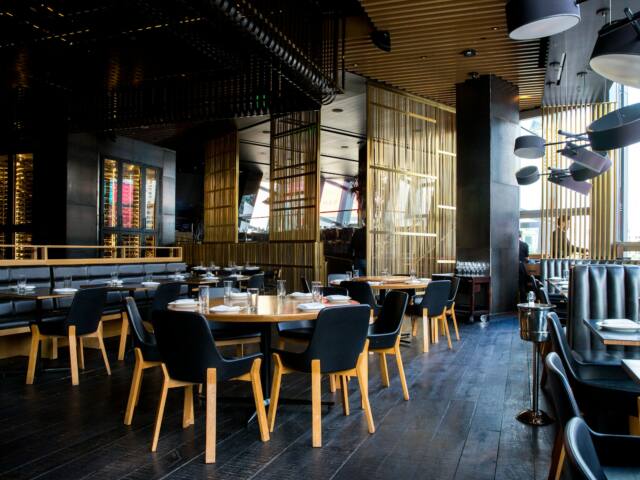
A genuine restaurant review is specific, balanced and honest about money. It mentions real details, at least one thing that did not work, and the approximate bill. Be cautious when every dish is “amazing,” nothing is criticised, no price is mentioned, and there is no clear statement that the meal was paid for.
We started Table for Three because of a feeling many diners know.
You read glowing reviews. You see beautiful photos. You hear that a restaurant is “a must-visit” and “the best in the city.” You book a table, dress up, and arrive excited.
And the meal is… fine.
Not terrible. Just nothing like what you were promised. Sometimes it happens once. When it happens again and again, you begin to wonder who those reviews were really written for.
Many reviews today are hosted, invited or paid. That is not always wrong, but it is rarely made clear. So here is how to tell the difference, based on what we have learned as both diners and reviewers.
01Why So Many Reviews Feel the Same
Restaurants understand how much reviews matter. Many invite reviewers and creators for free meals, special tasting menus, or paid collaborations. The reviewer is welcomed by the manager, served the best dishes, and given attention a regular guest rarely sees.
There is nothing illegal about it, and some invited reviewers are still honest. But an invited experience is a different experience. It answers the question “What can this restaurant do on its best day for a known guest?” rather than “What will my family experience on a normal Sunday?”
02Nine Signs of a Genuine Review
1. It mentions what did not work
This is the clearest sign of all. No meal is perfect. A reviewer who tells you about the dish that disappointed, the mocktail that was forgettable, or the wait at the door is writing for you, not for the restaurant.
2. It talks about the bill
Genuine reviewers paid, so they know what the meal cost and whether it felt worth it. If a review never mentions price or value, ask yourself why.
3. It discloses how the visit happened
“We paid for our meal and visited unannounced” is a sentence worth looking for. Honest invited reviews say “This meal was hosted.” Silence is the uncertain zone.
4. The details are specific
Real experiences have texture: the dog at the valet, a toddler running between tables, the dish split into two bowls without asking, the waiter who recommended something he had never eaten himself. Vague praise like “amazing ambience and delicious food” could be about anywhere.
5. Photos look like real meals
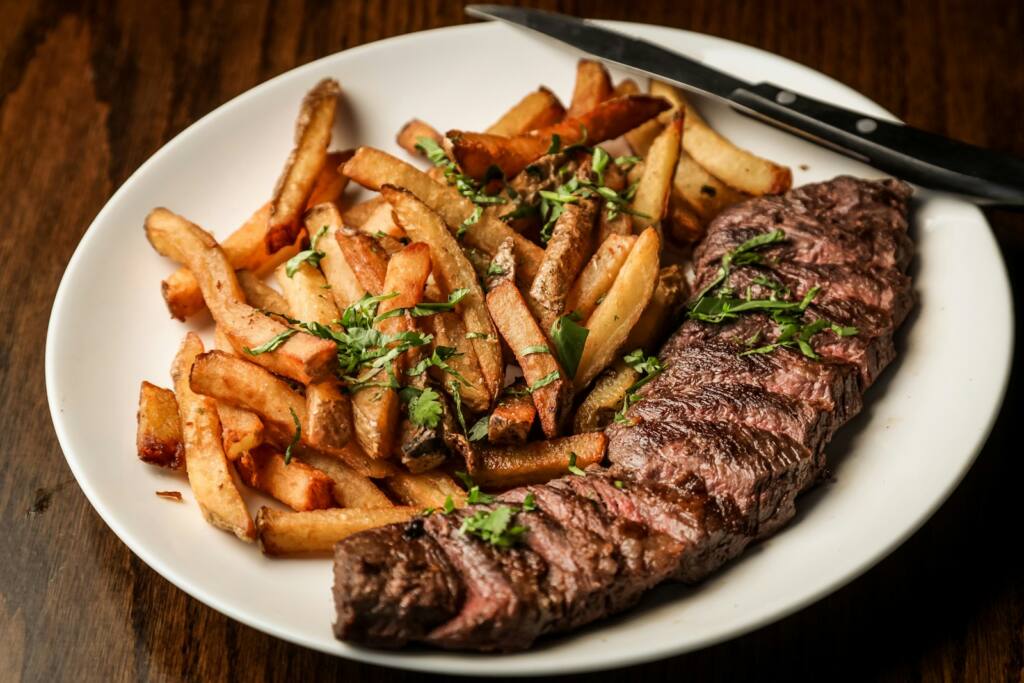
Phone photos at a normal table, half-eaten plates, natural lighting. Perfectly styled dishes shot from above on an empty table often mean a staged session.
6. The language sounds human
Be wary of reviews that read like advertisements: “A gastronomic journey,” “an unmissable experience,” “a culinary masterpiece,” repeated across many posts.
7. The reviewer’s opinions vary
Look at their other reviews. If every single restaurant they have visited is wonderful, their praise means very little. A reviewer who sometimes says “We probably won’t return” is one whose “We will be back” you can trust.
8. They describe the experience a regular guest would have
Did they wait for a table? Were they asked for a reservation? Did the service slow down when it got busy? These are the details invited guests rarely experience.
9. They have a clear point of view
Genuine reviewers write for a particular reader. A family. A couple. A vegetarian. A budget. When you know who a reviewer is, you can decide whether their taste matches yours.
03Red Flags to Watch For
- Every dish described as the best they have ever had
- No negatives at all, especially for a large meal
- No mention of price, or of who paid
- A sudden burst of near-identical reviews for a new restaurant
- Many reviewers posting about the same restaurant in the same week
- The owner or chef featured heavily, with hardly any description of the food
- A discount code or “DM to book” call to action
04How to Read Ratings on Apps
- Read, don’t just count. The average rating tells you less than the words beneath it.
- Start with the three-star reviews. They are often the most balanced and detailed.
- Look at recent reviews. Kitchens and teams change.
- Look for patterns. One complaint is an opinion. The same complaint repeated is a fact.
- Notice how the restaurant responds. Thoughtful replies to criticism say a lot about a team.
05Why We Do It Differently
At Table for Three, our rules are simple, and they are the reason we exist:
- We pay for every meal ourselves.
- We visit unannounced, as an ordinary family.
- Restaurants do not invite us, and we do not accept payment for reviews.
- We always tell you what did not work, even at restaurants we love.
- We tell you roughly what we spent and whether it felt worth it.
This is not a profession for us. It is a hobby, and a way to help other families spend their evenings, and their money, well.
Readers trust criticism more than praise. We have learned that writing about a disappointing dish is not unkind. It is what makes our recommendations mean something.
The next time you read a review, ask three questions. Who paid? What went wrong? Would this person tell me if it wasn’t good?
If the answers are clear, you have found a review worth trusting.
Three hearts. One table. Countless stories.
Frequently asked
How can you tell if a restaurant review is fake or paid?
Watch for reviews where every dish is perfect, there is no mention of price or of the bill being paid, the language sounds like marketing copy, the photos look professionally styled, and there is no criticism at all. Genuine reviews usually include specific details and at least one honest disappointment.
What is an invited or hosted review?
An invited or hosted review is written after a restaurant offers a free meal or payment to a reviewer. It is not necessarily dishonest, but it should be clearly disclosed, because hospitality offered to a known reviewer is often very different from what a regular guest receives.
Are star ratings on apps reliable?
They are a useful starting point, but read the reviews rather than the average. Look at the three-star reviews for balanced opinions, check whether recent reviews match older ones, and be cautious of sudden bursts of five-star reviews.
Why are negative points important in a review?
No meal is perfect. A reviewer who mentions what did not work is showing that they are writing for readers rather than for the restaurant, which makes their praise more trustworthy.
Does Table for Three accept free meals?
No. Table for Three pays for every meal and visits restaurants unannounced, as regular guests. Restaurants do not invite us, and we do not accept payment for reviews.